What Helped Maya Start Talking Again in I Know Why the Caged Bird Sings
:focal(430x179:431x180)/https://tf-cmsv2-smithsonianmag-media.s3.amazonaws.com/filer/be/5b/be5b792d-84cd-45ab-bc0b-88b7f4ba9f44/maya_angelou.jpg)
Maya Angelou published the outset of her 7 memoirs not long after she distinguished herself as the star raconteur at a dinner party. "At the time, I was really merely concerned with poetry, though I had written a goggle box series," she would retrieve. James Baldwin, the novelist and activist, took her to the party, which was at the home of the cartoonist-
author Jules Feiffer and his then-wife, Judy. "We enjoyed each other immensely and sabbatum upward until 3 or 4 in the morning, drinking Scotch and telling tales," Angelou went on. "The side by side morning, Judy Feiffer chosen a friend of hers at Random Firm and said, 'Yous know the poet Maya Angelou? If you could become her to write a book...'"
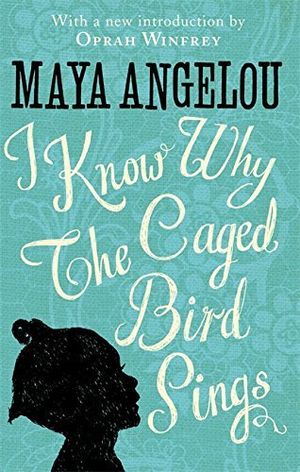
That book became I Know Why the Caged Bird Sings, which recently celebrated its 50th birthday.
In the memoir, Angelou (born Marguerite Johnson) boldly told the heartbreaking truths of her childhood, including how she was raped at the age of vii by her mother's fellow. She would later explain, "I stopped speaking for five years. In those five years, I read every book in the black schoolhouse library. When I decided to speak, I had a lot to say."
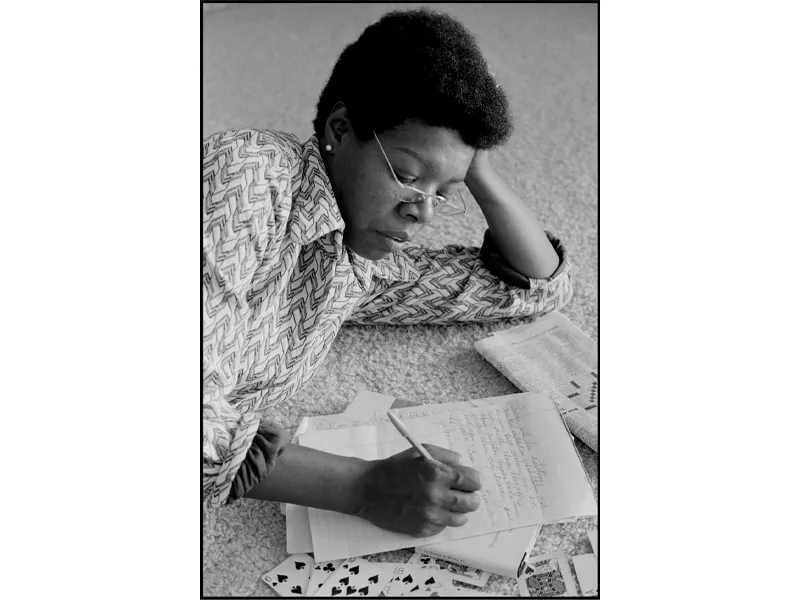
One of the women who helped Angelou detect her voice was a teacher in Stamps, Arkansas, named Bertha Flowers. She was the kind of adult female y'all rarely got to read about in American literature in the 1960s. Angelou's writing is cinematic; in Caged Bird, she transports the reader to another time:
Mrs. Bertha Flowers was the aristocrat of Black Stamps. She had the grace of control to appear warm in the coldest weather, and on the Arkansas summer days it seemed similar she had a private cakewalk which swirled effectually, cooling her. She was sparse without the taut look of wiry people and her printed voile dresses and flowered hats were equally right for her as denim overalls for a farmer. She was our side's reply to the richest white woman in town.
Information technology is all in that location—life, not just in the American South but this American life, period—waiting for you lot to take the ride, the heartbreaking and brave journeying that is Marguerite Johnson'southward young life. Ahead of its publication, James Baldwin said Caged Bird "liberates the reader into life but considering Maya Angelou confronts her own life with such a moving wonder, such a luminous dignity. I have no words for this achievement, but I know that not since the days of my babyhood, when the people in books were more real than the people ane saw every twenty-four hour period, have I found myself so moved....Her portrait is a biblical report in life in the midst of death."
* * *
The critical and public reaction to the book was immediate and powerful. Information technology was nominated for a National Book Award in 1970 and remained on the New York Times all-time-seller listing for ii years. It sold more than ane million copies, has been translated into 17 languages and has never been out of impress.
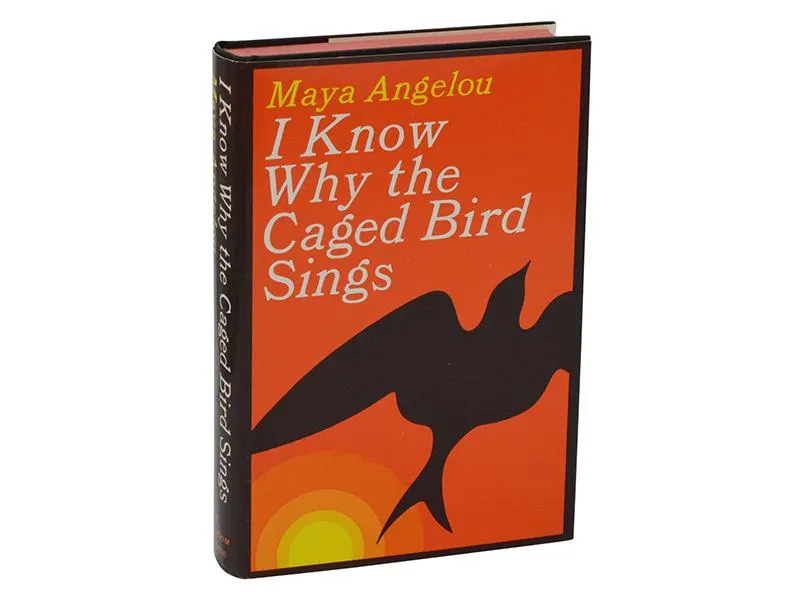
Over the last 5 decades, Marguerite Johnson has come to live in our imagination in a hallowed literary state where yous tin can imagine she jumps double dutch with One thousand thousand Murry from A Wrinkle in Time and Sentinel Finch from To Kill a Mockingbird.
Role of the reason the volume continues to resonate is that it is, and always has been, more than a memoir of ane woman's life. It has emerged every bit a design for our times—presaging and encompassing everything from the #MeToo move to self-care to the question of how to stand at the stop of a tumultuous decade and look frontward with hope. The book reminds every reader well-nigh the ability in meeting fell challenges head-on. As Angelou wrote in Caged Bird, her mother, Vivian Baxter Johnson, never flinched in the face of arduousness: "She was Vivian Baxter Johnson. Hoping for the best, prepared for the worst and unsurprised by anything in between."
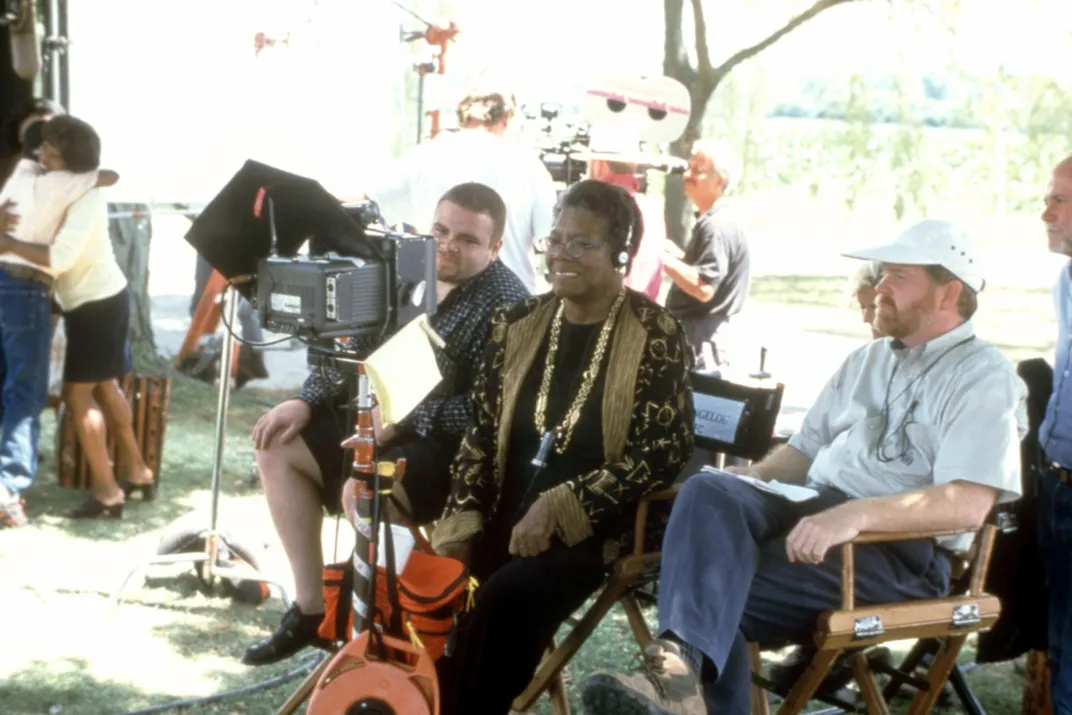
It is the in-between of Angelou's life that is and then engaging and surprising. She was the first black female cable-automobile conductor in San Francisco, a successful calypso singer, a star of the New York theater taking on groundbreaking roles in productions such every bit French playwright Jean Genet's The Blacks, a strange service aide in Ghana, a magazine editor in Cairo and the first black woman to direct a major feature film in America. She was a friend and confidante of both the Rev. Dr. Martin Luther King Jr. and Malcolm X.
In the cease, it seemed in that location was nothing that Maya Angelou couldn't do. Caged Bird endures considering it is a stunning reminder of all the possibility that lies on the other side of silence and suffering.
Beyond the Page
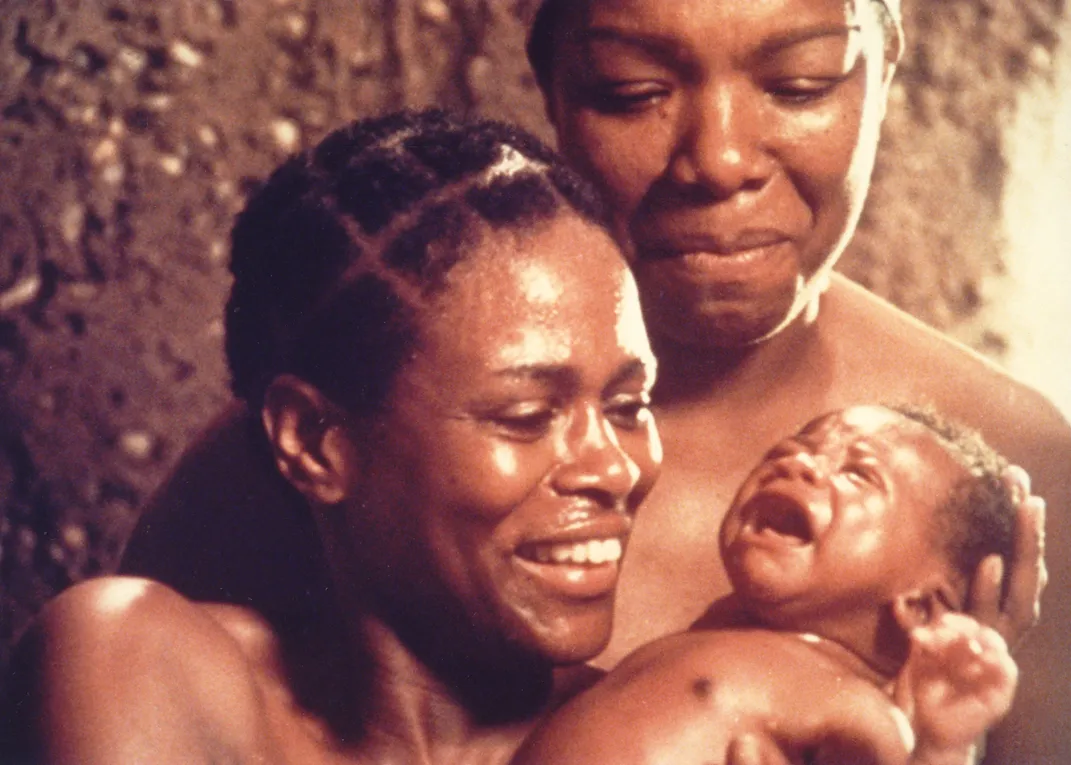
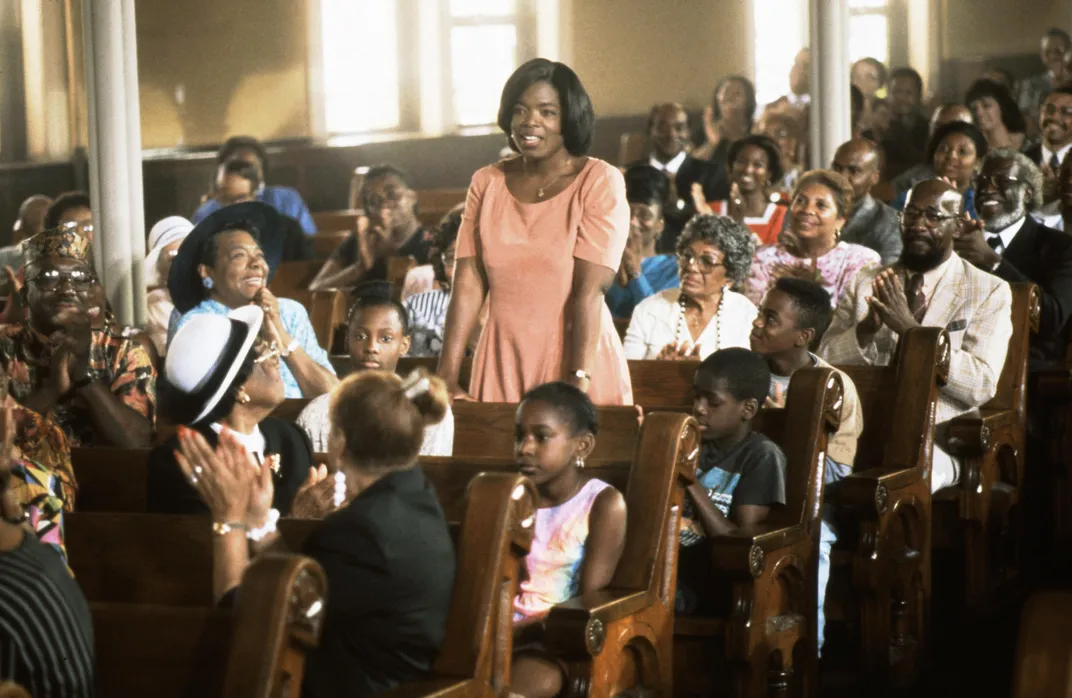
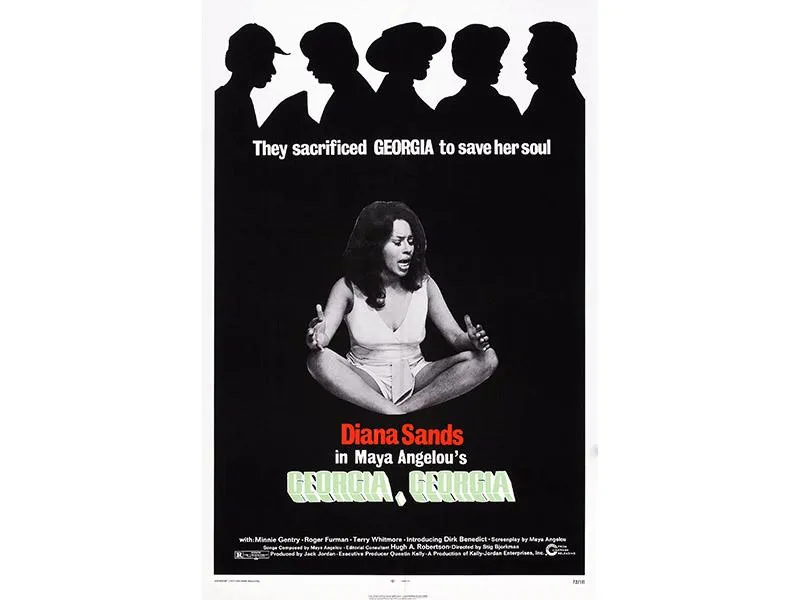
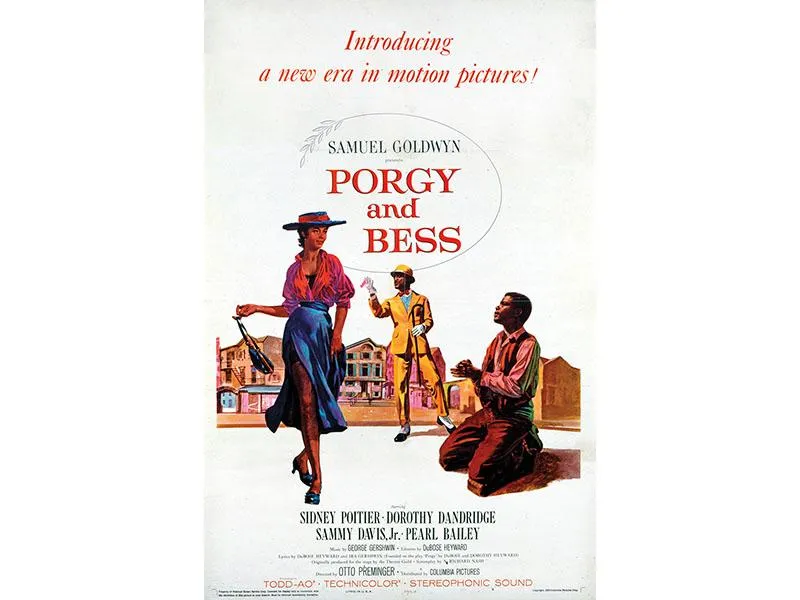
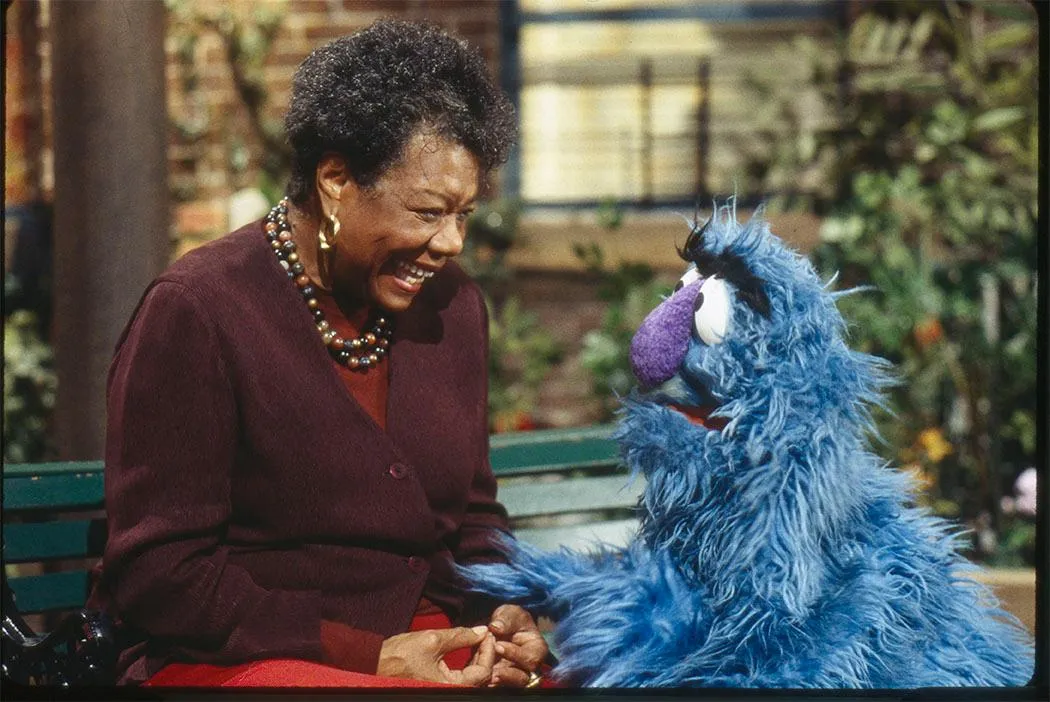
No American poet has played a bigger role in TV and movies than Angelou. Here are highlights from her work as an actor, manager, and screenwriter.
by Ted Scheinman
porterhiscitifted.blogspot.com
Source: https://www.smithsonianmag.com/arts-culture/published-50-years-ago-i-know-why-caged-bird-sings-launched-revolution-180973719/
Belum ada Komentar untuk "What Helped Maya Start Talking Again in I Know Why the Caged Bird Sings"
Posting Komentar